Sircle Clean Technologies is Saubhagya's clean technologies business. Lithium-ion battery
recycling, black mass, critical material recovery and IT asset disposition, built for the material streams the next
decade depends on.
Metals
Where Technology Meets Resource Recovery
Sircle applies advanced processing, safety and technical control to complex material streams that conventional recycling cannot easily handle.
Our focus spans lithium-ion battery recycling, black mass, critical material recovery and IT asset disposition – recovering valuable materials from the technologies powering the next generation of industry.
As demand for critical materials grows, recovery from materials already in circulation is becoming an increasingly important part of the supply chain.
Deliverables
What We Do
Lithium-ion Battery Recycling
Safe collection, discharge, dismantling and mechanical processing of end-of-life lithium-ion batteries.
Black Mass
Production of black mass as concentrated feedstock for downstream refining.
Critical Material Recovery
Recovering critical materials from battery and electronic streams for return to supply chains
IT Asset Disposition
Responsible end-of-life management and material recovery from retired IT assets.
How we work
Five Stages, One Outcome.
Clear milestones, constant communication, and zero hand-waving. Here’s how we get from idea to impact.
Step 01
Collect
End-of-life batteries and retired technology assets are collected under controlled handling, with chain of custody maintained from the point of pickup.
Step 02
Process
Material is discharged, dismantled and mechanically processed under conditions built for energetic and chemically complex inputs.
Step 03
Recover
Valuable fractions are separated out, including black mass from battery grade and recoverable metals from electronic assets.
Step 04
Refine
Recovered fractions are prepared and conditioned to meet the specification downstream refiners and manufacturers require.
Step 05
Return To Use
Recovered material re-enters manufacturing supply chains, reducing the pull on newly mined supply.
Our stack
Lithium-ion Battery Recycling
Powering The Next Cycle
As battery volumes grow across EVs, energy storage and consumer electronics, recovering the materials within them is becoming increasingly important.
Sircle is building capability across the front end of the recycling chain – safe handling and discharge, dismantling, and mechanical processing into recoverable material fractions.
Black mass
The Bridge Between Battery Materials And Material Recovery
Black mass is the concentrated material produced through the mechanical processing of lithium-ion batteries, containing valuable cathode and anode materials.
Sircle focuses on consistent black mass production and processing, creating feedstock for downstream refining and the recovery of valuable materials.
Critical Materials
Recovering What The Next Generation Needs
Batteries, electronics and modern infrastructure depend on critical materials with increasingly complex supply chains.
Sircle is building regional recovery capabilities that can return these materials from end-of-life batteries and electronics back into productive use.
IT Asset Disposition
Extending Value Beyond The First Life
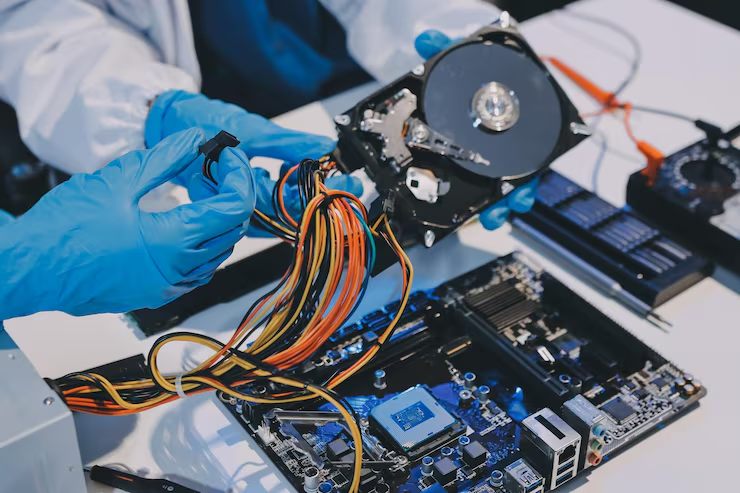
Laptops, servers, networking equipment and mobile devices contain valuable materials and components long after their first use.
Sircle provides responsible end-of-life management through collection, assessment, processing and material recovery, helping organisations turn retired technology into recoverable value.
Recovered, Refined, Sold To Specification
Sircle’s output is material a refiner or cell maker can buy against a certificate of analysis: concentrated battery feedstock, recovered metals, and battery-grade salts to published composition.
Black Mass
Aluminium, Battery Stream
Copper
Lithium Carbonate, Battery Grade
Cobalt Sulphate, Battery Grade
Nickel Sulphate, Battery Grade
Manganese Sulphate, Battery Grade
Graphite, Battery Grade
How we work
Capabilities
Clear milestones, constant communication, and zero hand-waving. Here’s how we get from idea to impact.
Battery Recycling
End-to-end handling of end-of-life lithium-ion batteries, from safe intake and discharge through dismantling, built around the safety requirements of energetic material.
Mechanical Processing
Size reduction and separation of battery and electronic material into recoverable fractions, with process parameters controlled for yield and purity.
Black Mass Production And Processing
Production of black mass as a refinery-ready feedstock, with consistency managed through sorting and processing control rather than after the fact.
Material Recovery
Separation and recovery of valuable fractions across battery and electronic streams, so material returns to supply chains in usable form.
IT Asset Disposition
Structured end-of-life management of retired technology assets, from collection and assessment through to material recovery.
Engineered For Resource Recovery
Battery Processing Capacity
0MT
Black Mass Output
0MT
Material Recovery Rate
0%
Efficiency
0%
Output
Turning End-of-life Into New Value
Real scenarios we’ve automated for teams like yours
Sales
CRM
Recover Critical Resources
Bringing lithium, nickel, cobalt and copper back into circulation from material that has already been mined once.
Support
AI
Reduce Resource Loss
Every battery and device processed properly is material that does not disappear into landfill or uncontrolled handling.
Support
AI
Support Circular Supply Chains
Regional recovery capacity gives manufacturers a secondary source close to where the material is used.
Support
AI
Responsibly Manage End-of-life Assets
Batteries and IT equipment handled under controlled, traceable processes through to their final destination.
The Next Life Of Materials Starts Here
For organisations retiring batteries or technology assets, and for partners building recovery capacity in the region.