Transforming Battery Waste Into Valuable Resources
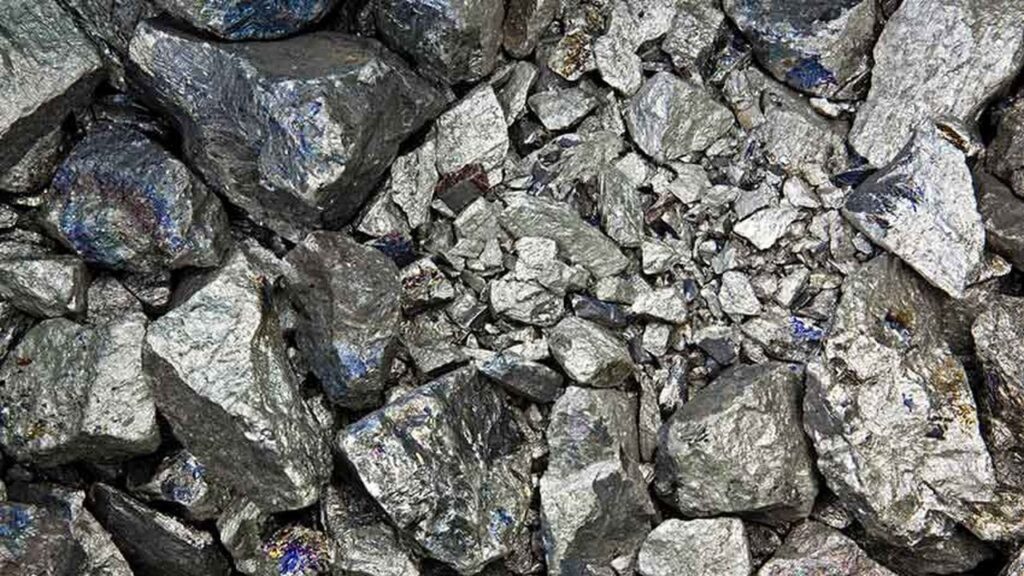
Black mass contains valuable materials recovered from processed lithium-ion batteries. It serves as a key feedstock for extracting critical minerals, supporting resource recovery, material circularity, and the potential reuse of valuable materials in new applications.
Introduction
Recovering Value From Battery Materials
As lithium-ion batteries reach the end of their useful life, they become a valuable source of secondary raw materials.
Through controlled dismantling, size reduction, and material separation, battery waste is processed into black mass, a concentrated material containing valuable battery constituents. This material serves as a feedstock for downstream refining and critical mineral recovery.
Sircle focuses on developing consistent black mass processing capabilities and supporting critical mineral recovery as part of its broader battery recycling chain, contributing to resource efficiency and a more circular materials economy.
Our Ingot Manufacturing Approach
From End-Of-Life Batteries To Black Mass
The quality of an aluminium ingot is influenced by what enters the furnace, how the melt is managed and how the final product is cast and checked.
Collection
End-of-life lithium-ion batteries are collected through controlled handling processes, with attention to safe movement and material traceability.
Discharge And Dismantling
Battery systems are discharged and dismantled to prepare different components and material streams for further processing.
Mechanical Processing
Prepared battery material undergoes controlled size reduction and separation to concentrate valuable battery constituents.
Black Mass Production
The processed material is separated into concentrated fractions, including black mass containing valuable cathode and anode materials.
Downstream Recovery
Black mass can then serve as feedstock for downstream refining, where individual materials can be further recovered and prepared for industrial use.
Processing Capability
What Black Mass Contains
The composition of black mass depends on the battery chemistry and the material entering the recycling process.
Lithium
A key battery material that can be recovered through downstream refining pathways.
Nickel
A valuable material present in several lithium-ion battery chemistries.
Cobalt
A valuable battery material that can be recovered from suitable battery streams.
Manganese
A material used in multiple battery chemistries and recoverable through appropriate processing routes.
Graphite
An important anode material contained within lithium-ion battery cells.
Our stack
Manufacturing Process
Black Mass & Critical Mineral Recovery Process
Sales
CRM
Controlled Battery Preparation
End-of-life lithium-ion batteries undergo controlled handling, discharge, and dismantling to prepare them for safe and efficient processing.
Sales
CRM
Mechanical Processing
Prepared battery materials are reduced in size to release valuable material components and enable effective separation.
Sales
CRM
Material Separation
Mechanical separation techniques help isolate and concentrate different material fractions for further processing and recovery.
Sales
CRM
Critical Mineral Recovery
The resulting black mass serves as a feedstock for downstream refining processes aimed at recovering valuable critical minerals and supporting a more circular battery materials supply chain.
Processing Capability
Our Critical Mineral Recovery Capabilities
Our aluminium recycling operations are designed to handle different recovered material streams while maintaining focus on quality, recovery and consistency.
Battery Material Processing
Handling and processing suitable end-of-life lithium-ion battery streams to concentrate valuable material fractions.
Black Mass Production
Producing concentrated battery feedstock containing valuable cathode and anode materials for downstream processing.
Material Separation
Separating recoverable materials from processed battery and electronic streams through controlled processing.
Metal Recovery
Recovering valuable metal fractions, including copper and other materials present within suitable input streams.
Downstream Preparation
Preparing recovered fractions and concentrated feedstocks for further refining and potential return to industrial supply chains.
How we work
From Black Mass To Recovered Materials
End-Of-Life Batteries → Discharge → Dismantling → Mechanical Processing → Black Mass → Downstream Refining → Recovered Materials → Return To Use
Black mass represents the transition point between mechanical battery recycling and downstream material recovery.
The material can provide feedstock for the recovery of valuable battery materials such as lithium, nickel, cobalt and manganese, depending on the battery chemistry and downstream refining pathway.
Why Saubhagya
Supporting Material Recovery
Black mass is one stage within a larger resource recovery system.
By concentrating valuable battery materials into a manageable feedstock, it helps connect battery recycling with downstream refining and the recovery of materials required by modern industry.
Sircle is building capability across this chain with a focus on controlled processing, material consistency and responsible resource recovery.
Turning Battery Waste Into Recoverable Resources
For battery recyclers, material suppliers, refiners and partners developing the next generation of circular battery supply chains.